

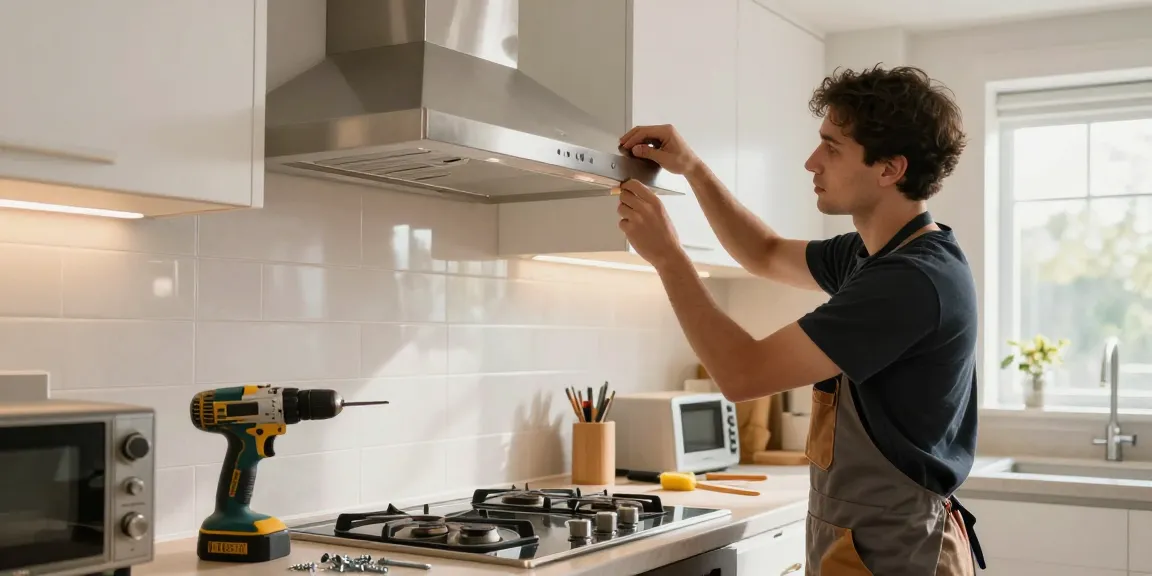
Understanding Exhaust Hood Installation
In modern kitchens, exhaust hoods play a crucial role in maintaining air quality and comfort. They efficiently remove smoke, steam, grease, and odors from the air, contributing to a healthier cooking environment. Proper exhaust hood installation is paramount, not only for maximizing performance but also for ensuring safety and compliance with local building codes. When exploring options, exhaust hood installation should be done with careful consideration of various factors to achieve optimal results.
What is an Exhaust Hood?
An exhaust hood, often referred to as a range hood, is a kitchen appliance designed to eliminate airborne contaminants produced during cooking. These hoods come in various styles—including under-cabinet, wall-mounted, island, and downdraft types—each tailored to specific kitchen layouts. Made from durable materials like stainless steel, they not only serve a functional purpose but can also enhance the aesthetic appeal of your kitchen.
Why Proper Installation Matters
Correct installation of an exhaust hood is vital for several reasons. Firstly, it ensures that the hood functions at peak efficiency, effectively removing smoke and odors before they spread throughout the home. Secondly, improper installation can lead to safety hazards, including fire risks due to grease buildup. Lastly, compliance with local codes and regulations often mandates specific installation practices, making adherence crucial for any homeowner or contractor.
Common Types of Exhaust Hoods
- Under-Cabinet Hoods: These are mounted under kitchen cabinets, saving space while still offering effective ventilation.
- Wall-Mounted Hoods: These protrude from the wall above the stove and are often more decorative, serving as a focal point in the kitchen.
- Island Hoods: Designed for kitchens with an island layout, these hoods hang from the ceiling and provide 360-degree ventilation coverage.
- Downdraft Hoods: These retractable hoods rise from behind the cooktop and are ideal for kitchens where traditional hoods may obstruct views or ventilation space.
Preparation for Installation
Tools and Materials Needed
Before beginning the installation process, gather the necessary tools and materials to ensure a smooth operation. Essential tools include a drill, screwdriver, level, measuring tape, and possibly a saw for creating venting paths. Materials typically needed are the exhaust hood itself, mounting brackets, ductwork, duct tape, and possibly electrical wiring supplies if the installation requires new connections.
Assessing Your Kitchen Layout
Every kitchen is unique, and assessing your layout is crucial to determine the best exhaust hood type and placement. Consider factors such as the distance between the cooktop and the hood, the height of the ceiling, and the presence of any cabinets or fixtures that may obstruct installation. Proper placement maximizes efficiency and ensures the hood operates effectively without disrupting kitchen traffic.
Safety Precautions to Take
Safety is paramount during the installation process. Always ensure the power is turned off at the circuit breaker when working with electrical components. Use appropriate safety gear, such as goggles and gloves, and be mindful of your physical limitations when lifting heavy components. Following manufacturer instructions and local building codes will also help mitigate risks.
Step-by-Step Installation Guide
Removing the Old Exhaust Hood
The first step in installing a new exhaust hood is to safely remove the old unit. This involves turning off power, disconnecting any electrical wiring, and carefully unscrewing the unit from its mounting. If ductwork is involved, ensure it is also removed properly to avoid damaging any connections.
Mounting the New Exhaust Hood
Once the old hood is removed, it’s time to mount the new one. Begin by following the manufacturer’s instructions, typically starting with positioning the mounting brackets. Use a level to ensure the hood is perfectly aligned, then secure it to the wall or cabinets using appropriate screws. This step may require assistance, as the unit can be heavy and unwieldy.
Connecting Ductwork and Wiring
The next step is to connect the ductwork and wiring. If your new exhaust hood is vented externally, attach the ductwork according to local codes, ensuring it is tightly sealed to prevent leaks. For electrical connections, it’s advisable to consult a licensed electrician if you are not experienced in handling wiring to ensure safety and compliance with code.
Post-Installation Considerations
Testing Your Exhaust Hood
After installation, it’s essential to test the exhaust hood to confirm it operates correctly. Turn on the fan and light to check for proper functioning. Listen for any unusual noises that may indicate a problem. It’s also wise to check for any air leaks around the ductwork, which can hinder performance.
Maintenance Tips for Longevity
To ensure the longevity of your exhaust hood, regular maintenance is key. Clean filters every month to prevent grease buildup, and wipe down the exterior regularly to maintain its appearance. Additionally, check the ductwork periodically for any obstructions and ensure that the fan continues to operate smoothly.
Common Issues and Troubleshooting
Even with proper installation and maintenance, issues may arise. Common problems include insufficient airflow, excessive noise, or lighting failures. If you experience these issues, first consult the manufacturer’s troubleshooting guide. Often, simple adjustments or cleaning can resolve these problems without the need for professional assistance.
Future Trends in Exhaust Hood Technology
Innovative Features to Look For
The kitchen appliance industry is rapidly evolving, with new features enhancing the functionality of exhaust hoods. Innovations like integrated lighting, smart sensors that adjust fan speed based on heat levels, and self-cleaning mechanisms are becoming increasingly common, improving usability and performance.
The Rise of Smart Kitchen Appliances
As technology continues to advance, the integration of smart technology into kitchen appliances is on the rise. Smart exhaust hoods can connect to home networks, allowing users to control them via smartphone apps. This connectivity enhances convenience and allows for customizable settings based on cooking habits.
Energy Efficiency Trends in 2026
Energy efficiency will continue to be a major focus in exhaust hood design. Manufacturers are increasingly producing models that use less energy while maintaining high-performance levels, responding to consumer demands for greener solutions. With energy costs rising, these efficient models can lead to significant savings over time.
Can I install an exhaust hood myself?
While some homeowners may feel comfortable tackling the installation of their exhaust hood, it’s essential to consider your skill level and the complexity of the job. If you have experience with home improvement projects, you may find it manageable. However, for more extensive installations, especially those involving electrical work or complicated duct systems, hiring a professional is advised.
How much does exhaust hood installation cost?
The cost of installing an exhaust hood can vary widely based on several factors, including the type of hood, installation complexity, and regional labor rates. On average, homeowners can expect to pay between $400 and $1,500, with the national average around $750 for residential installations. For commercial installations, costs can increase significantly based on the scale of the project.
What are the best types of exhaust hoods for home use?
The best type of exhaust hood for your home depends on several factors, including your cooking style and kitchen layout. For most home cooks, wall-mounted or under-cabinet hoods are effective and space-efficient. If you frequently cook large meals or use high-heat methods, an island hood may provide the coverage needed for effective ventilation.
What precautions should I take during installation?
During installation, always prioritize safety. Ensure power is turned off, use sturdy ladders, and wear protective equipment. Additionally, reading through the manufacturer’s instructions can prevent many common mistakes associated with installation.
How do I maintain my exhaust hood after installation?
Maintaining your exhaust hood post-installation involves regular cleaning and inspections. Clean or replace the filters frequently and wipe down exterior surfaces to prevent grease accumulation. Also, check for any signs of wear or malfunction and address these issues promptly to extend the life of your appliance.


